

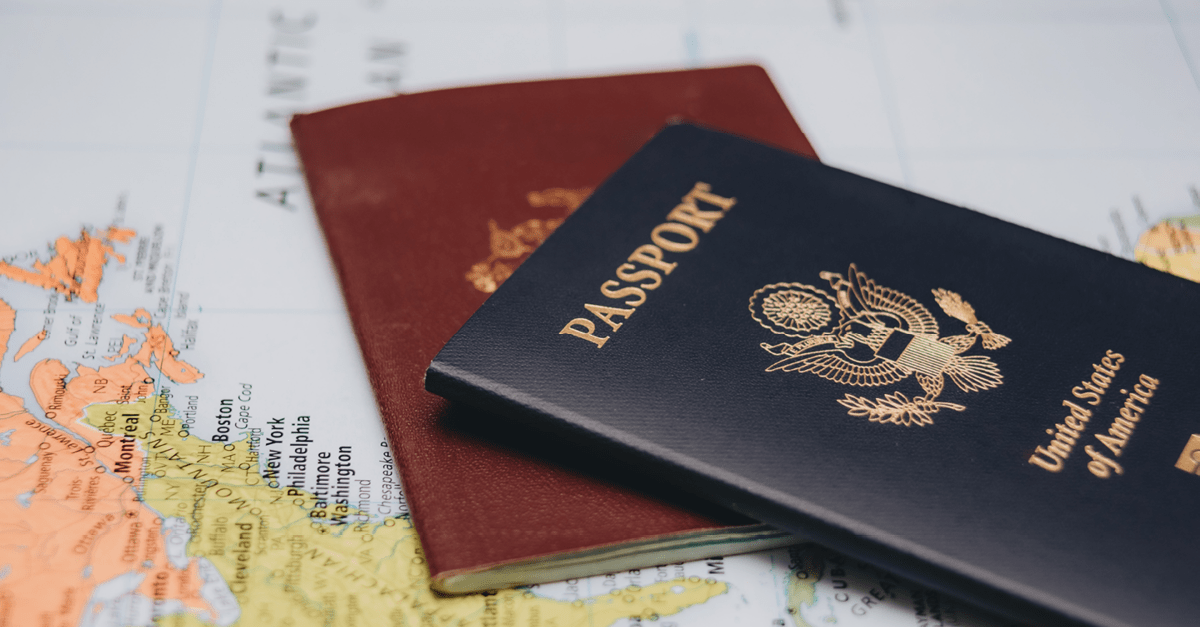
Countries that allow dual nationality: which ones are they?
Dual nationality is defined as the condition in which a person simultaneously holds citizenship in two countries. This status allows them to enjoy the rights and fulfill the obligations of both states.
The possibility of acquiring a second nationality has evolved significantly in International Law, moving from a restrictive approach to being recognized as a human right, according to instruments such as the Universal Declaration of Human Rights and the Pact of San José.
Currently, 144 countries allow it without restrictions, while another 29 accept it with specific limitations. This article explores the legal framework and benefits offered by some European countries in this area, followed by a discussion of the associated tax implications.
Some European countries that allow dual nationality
- SpainSpain allows dual nationality under very specific terms. Citizens of Ibero-American countries, Andorra, the Philippines, Equatorial Guinea, and Portugal can acquire Spanish nationality without having to renounce their original citizenship. This agreement also extends to Chile through a bilateral treaty that allows for the retention of both citizenships.
- PortugalPortugal allows dual nationality without restrictions, provided the applicant's country of origin permits it. This makes it easier for Portuguese citizens to retain their original citizenship when acquiring another.
- ItalyThis country is one of the most open regarding the acceptance of dual nationality, without imposing requirements to renounce previous citizenship. Furthermore, Italy offers accessible pathways for descendants of Italians through the principle of jus sanguinis.
- CroatiaSimilar to Italy, Croatia allows its citizens to retain their original nationality when acquiring another, standing out as a jurisdiction favorable to dual citizenship.
- GreeceGreece accepts dual nationality and, like Italy, recognizes the right of Greek descendants to obtain citizenship through a simplified process.
- MaltaThis country, known for its citizenship by investment program, allows dual nationality. Maltese citizens can acquire another nationality without losing their own.
- CyprusCyprus also allows dual nationality, making it a popular option for investors looking to take advantage of its residency and citizenship program.
Does it have tax implications?
Generally speaking, taxes are paid in the country where the income is generated. However, having dual citizenship can lead to double taxation, where a person is taxed on the same income in both countries.
To prevent this scenario, numerous countries have signed bilateral agreements. For example, Spain and Portugal have treaties with several nations to avoid double taxation, including specific agreements with Chile.
In the case of Spain, the “Beckham Law” offers significant tax benefits, such as a lower tax burden for foreigners and exemption from declaring profits earned outside the country.
In Portugal, the HQA visa allows holders to pay a fixed 20% tax on income generated in the country, while being exempt from taxes on foreign income for ten years.
AIM Global advises you on your dual nationality processes.
Having a second nationality offers significant benefits in terms of mobility, access to rights, and economic opportunities. However, it is crucial to consider the associated legal aspects.
At AIM Global, we advise you on visas and naturalization in several European countries, including Spain, Portugal, Italy, Greece, and Croatia. We have offices in Lisbon and Santiago, Chile, and a team of experts who will help you understand the legal and tax frameworks involved in your process.
Schedule an informational meeting with us today and start making your citizenship and international investment projects a reality.